
How to Quiet Your Brain for Deeper Work
Deep work is a skill. The more you practice quieting your mind, the easier it becomes to drop into focused states. Start small, be patient, and give your brain the space it needs to think deeply.
Deep work is a skill. The more you practice quieting your mind, the easier it becomes to drop into focused states. Start small, be patient, and give your brain the space it needs to think deeply.

Originality in graphic design isn’t about being different for the sake of it, it’s about developing a voice that is uniquely yours.

Creativity and problem-solving require uninterrupted time. Protecting your team from unnecessary distractions isn’t just about efficiency, it’s about respecting their expertise.

No leader is infallible. Mistakes happen, misjudged strategies, overlooked details, or decisions that don’t pan out as expected. But what separates a great leader from a merely competent one is how they handle being wrong.

Think of your company’s core documentation as a “black box” that holds the essential information needed to sustain, protect, and grow your business.
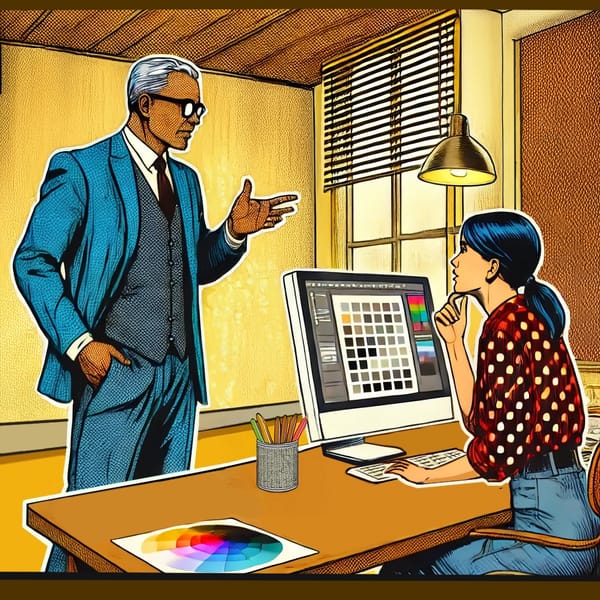
Giving thoughtful feedback on graphic design requires a blend of clarity, kindness, and respect for the creative process.

"Take creative risks" is one of those phrases that gets thrown around often by clients, by managers, by the occasional LinkedIn guru. But what does it actually mean?

Before scheduling a meeting, take this quiz.
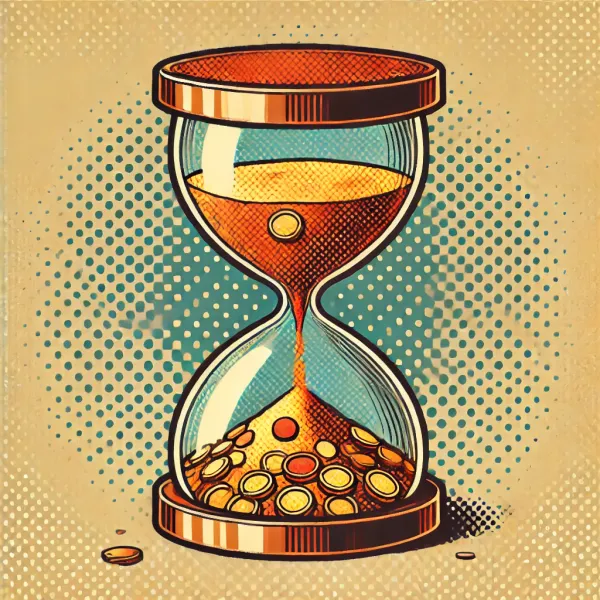
Meetings aren’t free. Even if no one books a conference room or orders coffee, they cost time, often the most valuable resource in any workplace.

Quarterly planning is a structured approach to setting goals, aligning priorities, and ensuring progress over a three-month period. It offers enough time to achieve meaningful results while remaining short enough to adjust to changes.

If you feel stuck, you’re not alone. Many talented creatives find themselves in roles that feel comfortable but stagnant. The key is recognizing what growth looks like in a field that doesn’t always offer traditional markers of success.

Many designers feel unheard at work, whether by managers who don’t understand design, executives who prioritize speed over quality, or clients who assume their personal taste overrides expertise.

Creative Leadership
A leadership style that worked five years ago may not serve you today. That’s not failure; it’s evolution. The best leaders know when to adjust, when to listen, and when to lead with renewed purpose. If you’re ready to rebuild, start today.

Creative Leadership
When last-minute projects become the norm, they don’t just disrupt workflow; they erode the foundation of good creative work.

Creative Leadership
Hey fellow leaders, it’s Charm’s Founder Lauren here. I am proudly no longer a project fire starter. But let’s go ahead and relive my trauma together for educational benefit; let’s take a look at some of my arsonist history.

Managing Creative Teams
If you’ve ever felt like your brain is running on overdrive from social media, the endless notifications, news updates, and constant pressure to keep up... us too.

Innovation and Creativity
Think of it as creative nutrition. If you’re only consuming the same limited inputs, social media, the same playlists, the same four walls, your creative output will reflect that narrow diet.
Creative Leadership
Effective communication is the cornerstone of a thriving workplace. When it falters, the repercussions extend far beyond mere misunderstandings, affecting various facets of organizational health.

Creative Leadership
By prioritizing these practices, organizations can ensure that their team members are not only satisfied but also empowered to contribute fully, leading to a more innovative and resilient workplace.

Creative Leadership
Establishing clear boundaries within creative teams is essential for fostering a collaborative and respectful work environment. These boundaries help delineate responsibilities, manage expectations, and promote well-being among team members.

Creative Leadership
Creativity often comes with a reputation. Many creative professionals are swiftly labeled “difficult” or “egotistical” at the slightest sign of pushback. At Charm, we take an academic stance in challenging this stereotype and seek to dispel this misconception entirely.

Creative Leadership
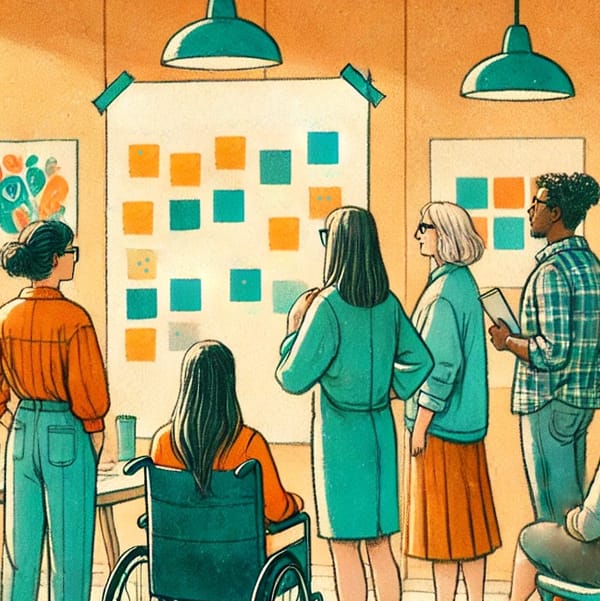
By integrating Design Thinking into Agile, you ensure that the iterative product development process remains user-centered, focusing on solving real-world problems effectively.
Agile
Traditional project management is typically linear, following a “waterfall” model where each phase (planning, design, development, testing, deployment) happens sequentially. In contrast, Agile is cyclical, with teams working on iterations of the product throughout its development.